
Beyond Bright: The Hidden Power of Light
Jessi Sieverts • July 20, 2025
This is a subtitle for your new post
The body content of your post goes here. To edit this text, click on it and delete this default text and start typing your own or paste your own from a different source.
Lighting Design
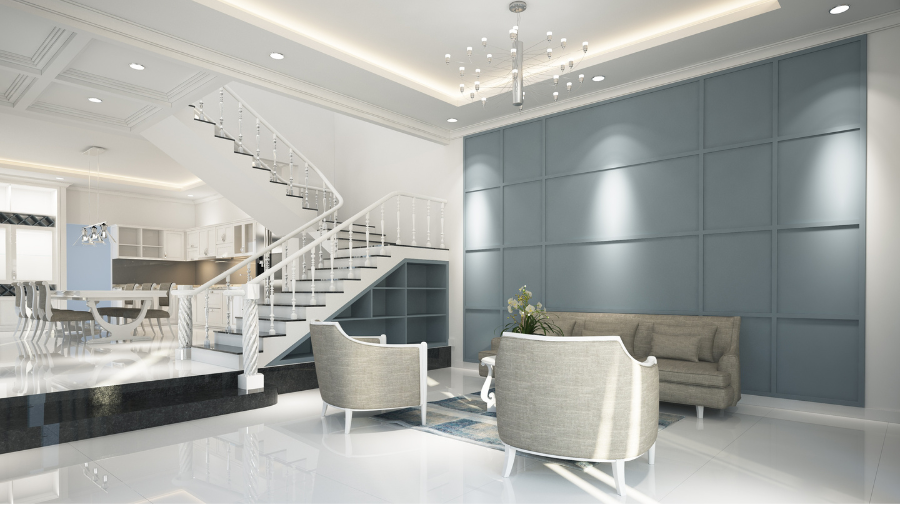
Lighting Design is a thoughtful process that includes strategically manipulating light to achieve the desired result. It encompasses the understanding of the light properties, selecting the appropriate fixture for the specific aesthetic or function, and creating a layered lighting plan that uses visibility, mood and the overall ambiance in the background.
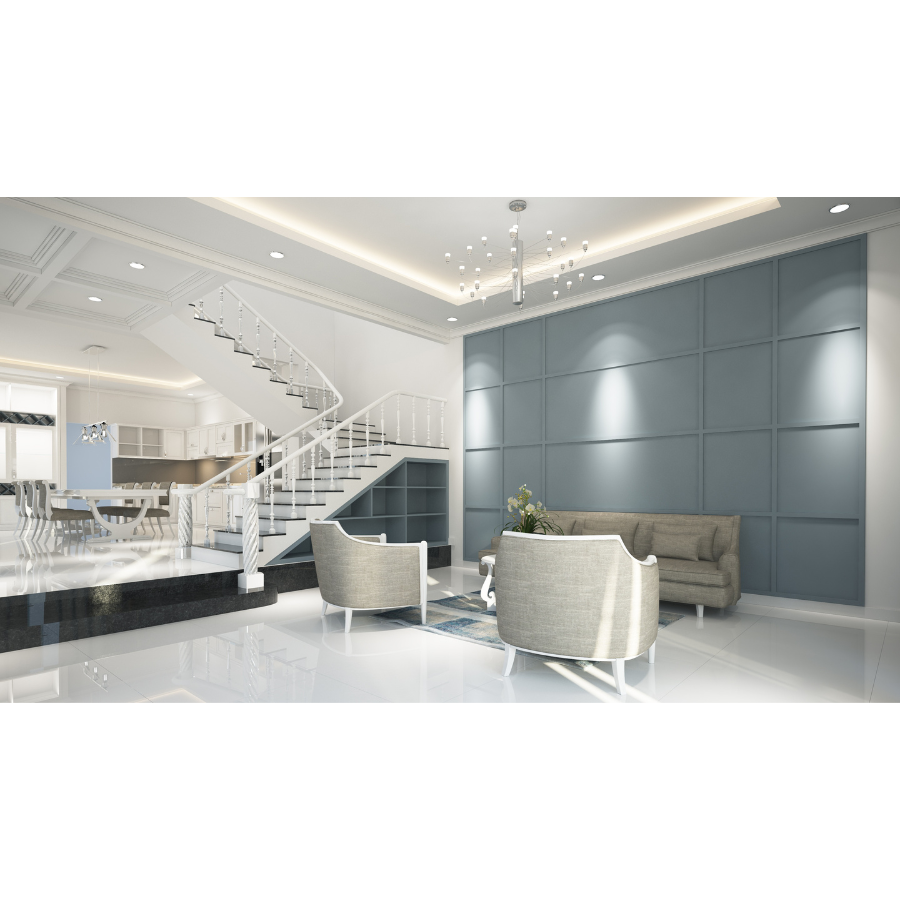
Transform your living spaces
Harness Natural Sunlight
- Maximize sunlight exposure- Open your blind and curtains during the day to let the natural light flood in.
- Position your furniture strategically to take advantage of the daylight.
- Consider installing skylights or lightbulb tubes that provide more natural light in the darker areas of your home.
There are many benefits to your health from natural light. Reduced stress & Anxiety, enhanced mood & focus, better vision, boosts vitamin d and more...
Layer your lighting
- Ambient lighting: Provides overall illumination. Use ceiling fixtures or recessed lights.
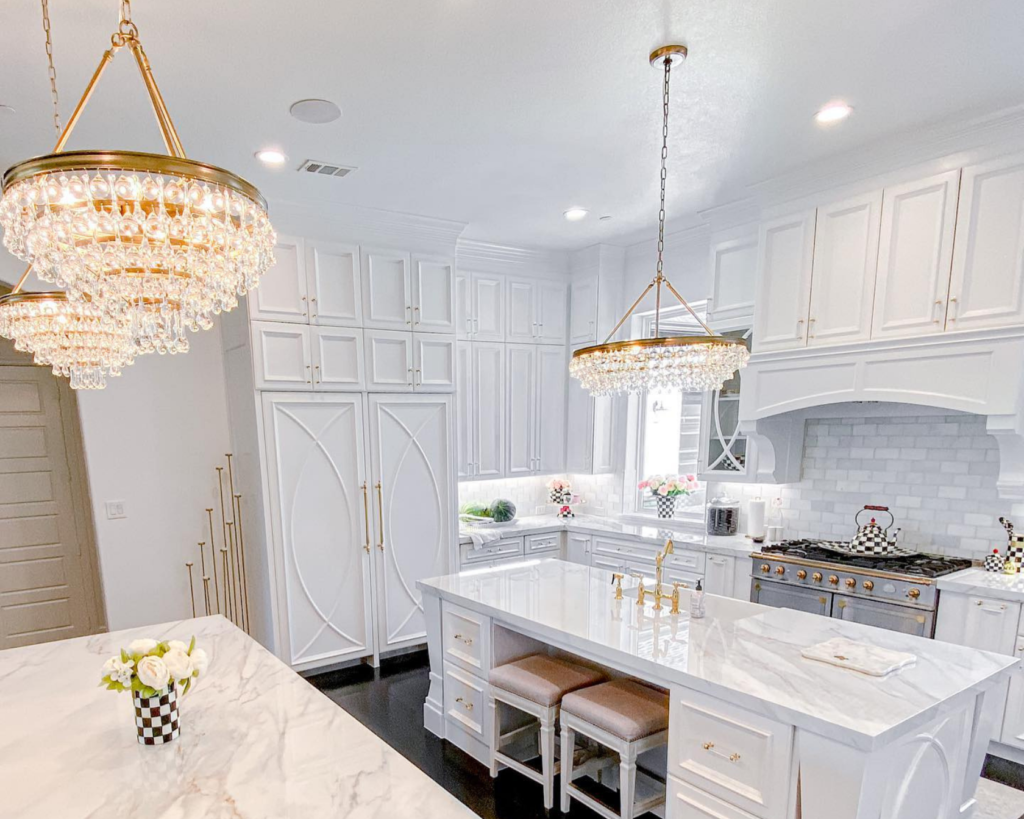
- Task lighting: Focuses on specific areas for activities like reading or cooking. Think desk lamps or under-cabinet lighting.
- Accent lighting: Adds visual interest and highlights features like artwork. Use wall sconces.
Choose the right Temperature:
- Cool white light (5000-65000k) Best for task areas and promoting alertness. Ideal for office spaces and kitchens.
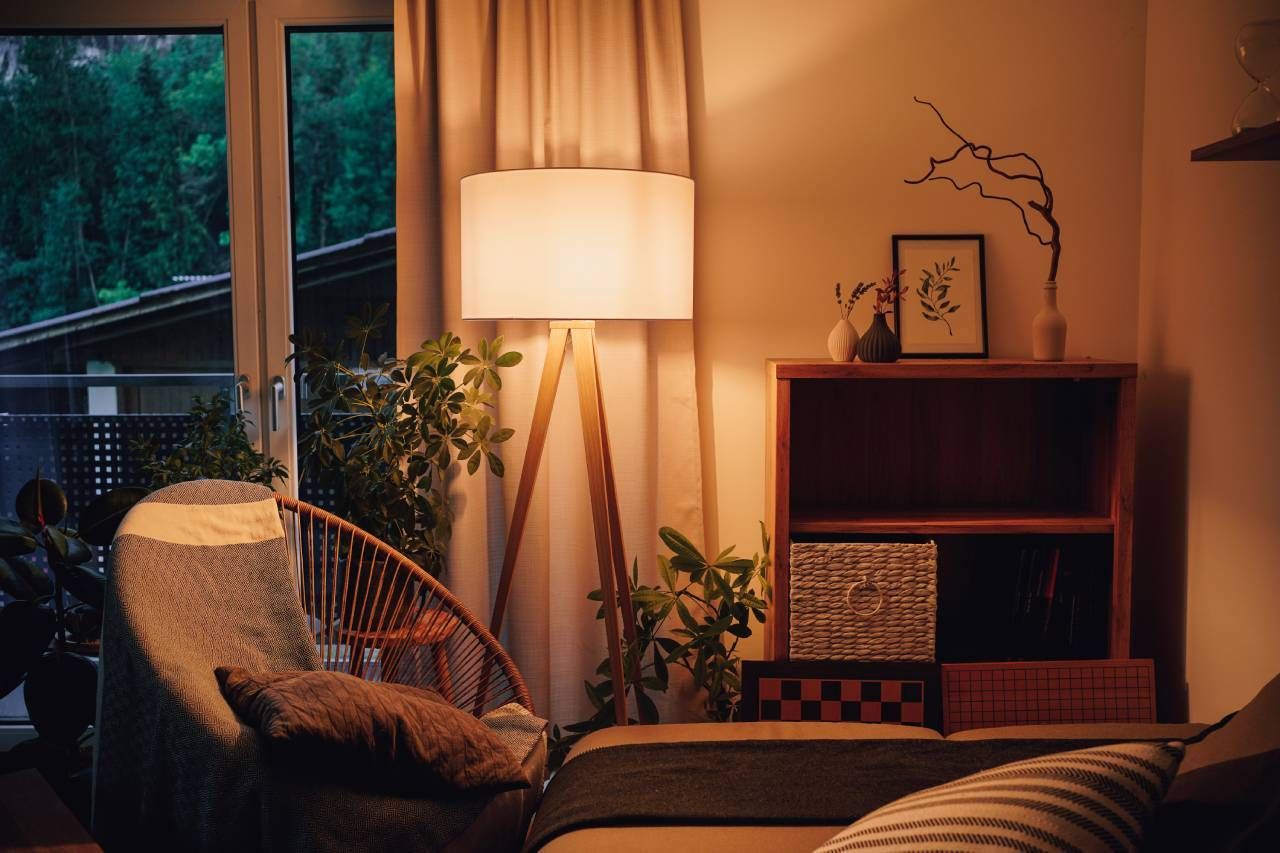
- Warm white light (2700-3000k) Creates a cozy and relaxing atmosphere. Perfect for living rooms or bedrooms.
PRO TIP: Consider using dimmer switches to adjust light levels and temperature throughout the day.
Warm Light Cold Light
Every room, every mood, every moment.
Lighting has the power to turn your home into a sanctuary.

The new season is a great reason to make and keep resolutions. Whether it’s eating right or cleaning out the garage, here are some tips for making and keeping resolutions.

There are so many good reasons to communicate with site visitors. Tell them about sales and new products or update them with tips and information.

Write about something you know. If you don’t know much about a specific topic that will interest your readers, invite an expert to write about it.